9er's Mastering and Music


Feedback and Comments page
(Guest book)

File upload instructions

The LAmpex

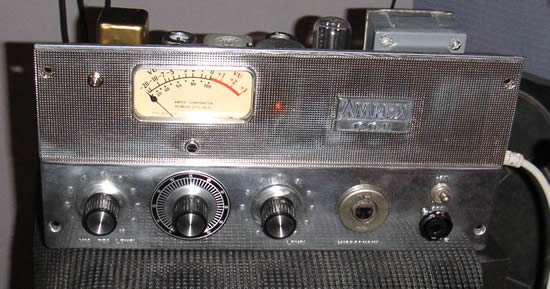
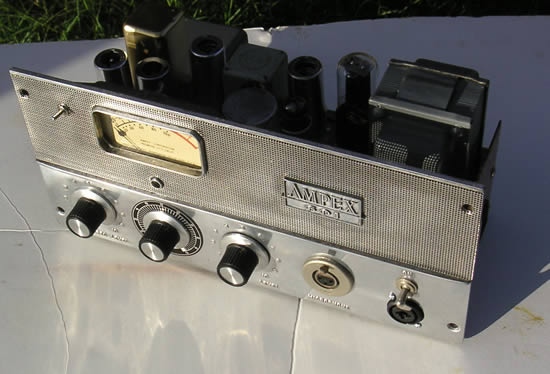
This unit combines the microphone preamp section of the Ampex 601 with an LA2A limiter circuit. The LA2A design closely follows the original circuit, including the UTC HA100X and UTC A-24 transformers. There are additional options, but when they are turned off the LAmpex is close to the original. (more details) I've used the tube based power supply from the 601 to power both circuits.

The Mic preamp utilizes EF86 and 12AY7 tubes. The Mic preamp also benefits from the fine HA100X input transformer. When the mic preamp is turned off, the unit serves as an LA2A "clone" line level compressor/limiter. For more information on the LA2A, this is a good place to start: Universal Audio
Sample recordings

Acoustic guitar recorded through a Studio Projects C-1 mic using an external phantom power supply. No EQ, effects, or processing except for a touch of reverb. The LAmpex was showing about 5 to 10 dB of peak reduction on the meter and was set to "limit" mode.
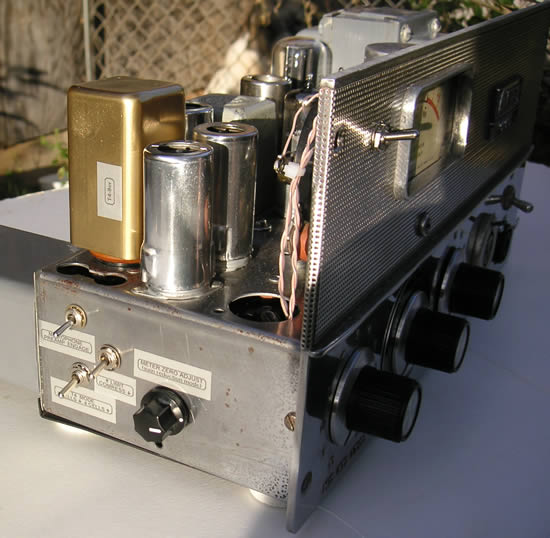


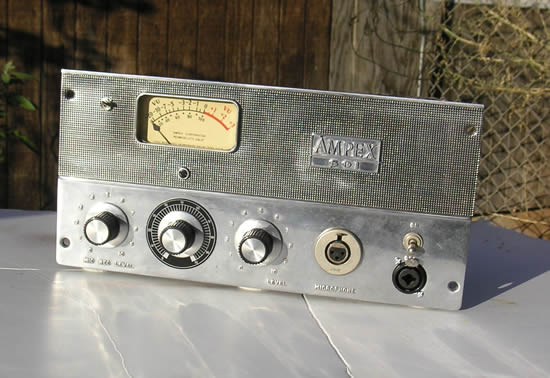
Features: (left to right)

Meter Mode switch
(by meter, +4/GR mode)

Mic Rec Level pot

Peak Reduction pot

Master Level (Gain) pot

XLR Mic input (250 Ohm)

Neutrik combo Jack
(600 Ohm XLR / 1/4" TRS)

On / Off switch


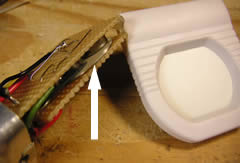
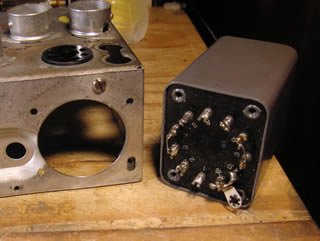
I decided to keep costs down and experiment with building my own T4 optical module. I got a lot of great info and ideas from Kenetek.com for this module. I used a Walmart night light for the electro-luminescent panel for this first experimental unit. It works great, by the way. Additional T4 modules will be high on the list, though. On the left you can just see the element sandwiched in the module. On the right is the way they come from Wally World. The element is easily removed without damage.
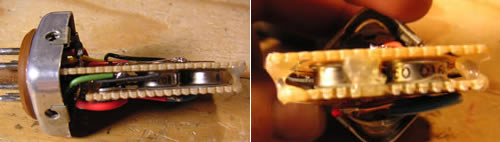
More pictures from the build:
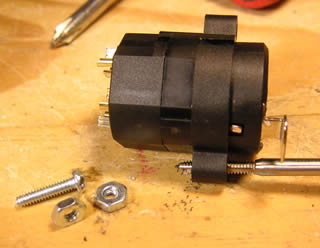
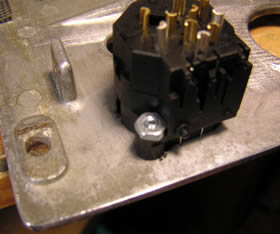
I don't trust plastic. I tap the plastic and put a nut on the back for safety so it should never come loose.
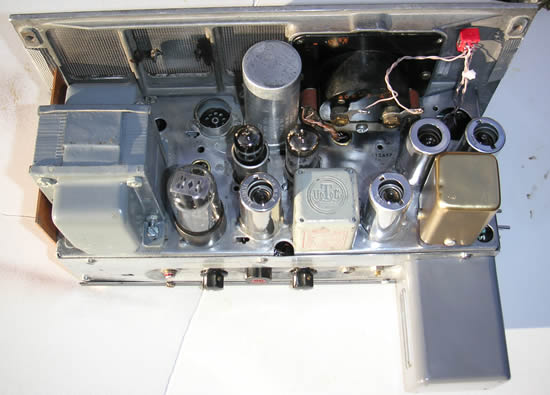
My goal in this design was not to copy exactly the LA2A. As long as it is very close in sound and quality, I am satisfied.
The main differences between the LAmpex and a regular LA2A or a re-issue:

1) The T4 module is different but works in a similar fashion as the original. It uses the same photo-cells but a different EL panel.

2) This unit has a mic preamp which can be turned off for using the unit as a standard LA2A.

3) I use modern components including Auricaps in my design. I don't use the layout or turret board of the LA2A. There is simply not room in the 601 chassis, so I used plain old point-to-point wiring.

4) The meter switch has only 2 positions: GR (gain reduce) and +4. The original also had a +10 output setting for the meter. This only affected the meter and does not affect the output level. (except that it would make you tend to push the unit to a hotter level because the meter reads lower.)

5) The original LA2A used a solid state power supply. This LAmpex uses the tube rectifier (5Y3GT) power supply of the 601. I build others with SS power supplies.

6) The original used terminal strips for the I/O connections. This is flexible but a hassle. The LAmpex has an XLR hooked to the 250 Ohm winding of the transformer for use with microphones. It also has the Neutrik combo jack wired to the 600 Ohm winding for use with line level sources. When using the line input jack, the mic preamp should be off unless one is using a 600 Ohm microphone plugged in there. There may be some other uses.


On the side:

Microphone Preamp Engage (upper switch)

T4 module select
(lower switch selects 2 or 4 photo cells)

Limit / Compress switch
(middle switch)

Meter Zero Adjust
(for use with meter switch in Gain Reduction Mode)


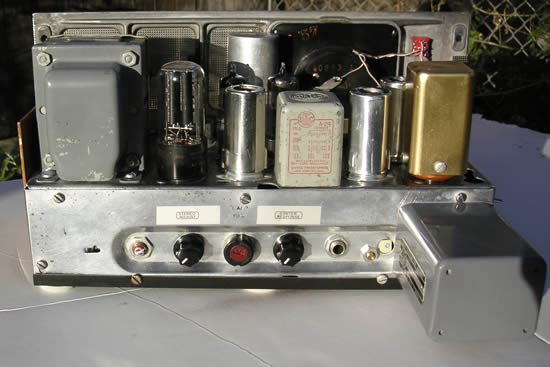
On the back:
(left to right)

Hum Balance pot
(screw adjust)

Stereo Adjust
(for use when 2 LA2A units are used as a stereo pair)

Fuse

Limiter Response

1/4" TRS balanced output


I'm quite fond of this "look." I was tempted to call this model "The Diner."